The global digital asset market has entered a period of intense volatility as a broad cryptocurrency slump erases 2025 financial gains and Trump-inspired optimism that once fueled bullish expectations. At the start of 2025, cryptocurrencies were riding a powerful narrative built around political change, anticipated regulatory easing, institutional adoption, and renewed retail interest. Bitcoin surged, altcoins followed, and market sentiment reached levels not seen since the last major bull cycle. Many investors believed the year would mark a decisive turning point for digital assets, especially amid speculation that pro-crypto leadership in the United States could reshape policy frameworks.
However, as the months progressed, optimism collided with economic reality. Rising interest rates, persistent inflation concerns, regulatory uncertainty, and geopolitical instability triggered a sharp reversal across crypto markets. The result has been a widespread sell-off that wiped out year-to-date gains, leaving investors questioning whether the Trump-inspired crypto narrative was prematurely priced in. The cryptocurrency slump has not only affected prices but also confidence, capital flows, and the long-term outlook for blockchain-based assets.
This article explores how the cryptocurrency slump erases 2025 financial gains and Trump-inspired optimism, analyzing the macroeconomic, political, and market-specific forces driving the downturn. It also examines what this reset means for investors, institutions, and the future of the crypto industry as it navigates one of its most challenging periods in recent history.
Cryptocurrency Slump in 2025
The current downturn is not an isolated event but part of a broader market recalibration. While crypto markets are known for volatility, the scale and speed of the 2025 pullback surprised many participants who expected a sustained rally. The cryptocurrency slump reflects a convergence of multiple pressures rather than a single trigger.
At its core, the slump highlights the fragility of sentiment-driven rallies. Much of the early-year surge was built on expectations rather than concrete policy changes or economic improvements. When those expectations failed to materialize quickly, traders began locking in profits, accelerating downside momentum. As selling intensified, technical support levels broke, triggering automated liquidations across leveraged positions.
The erosion of gains also underscores how interconnected crypto markets have become with traditional financial systems. Once considered an alternative asset class insulated from macro trends, cryptocurrencies now react strongly to interest rate policy, bond yields, and equity market movements. This correlation has amplified losses during periods of risk aversion, making the downturn more severe.
Trump-Inspired Optimism and Its Market Impact
The Political Narrative That Drove the Rally
One of the defining features of early 2025 was the surge of Trump-inspired optimism in crypto markets. Investors speculated that a potential return to leadership aligned with deregulation and pro-business policies could benefit digital assets. Statements hinting at support for innovation, criticism of restrictive financial oversight, and outreach to crypto-friendly donors fueled the belief that a friendlier regulatory environment was imminent.

This narrative played a crucial role in boosting prices. Bitcoin and major altcoins rallied as traders priced in future policy shifts, assuming reduced enforcement actions and clearer frameworks for exchanges, stablecoins, and decentralized finance. The idea that the U.S. could reclaim leadership in blockchain innovation added momentum to the bullish case.
When Expectations Met Reality
Despite the enthusiasm, tangible policy changes remained limited. Regulatory agencies continued enforcement actions, lawmakers remained divided, and uncertainty persisted around taxation, custody rules, and compliance requirements. As weeks passed without concrete developments, confidence began to fade.
The market realized that political optimism alone could not sustain valuations. As a result, the cryptocurrency slump erases 2025 financial gains and Trump-inspired optimism, revealing the risks of relying too heavily on speculative narratives. The disconnect between expectations and outcomes became a catalyst for widespread profit-taking and risk reduction.
Macroeconomic Pressures Weighing on Crypto Markets
Interest Rates and Monetary Tightening
One of the most significant factors behind the slump is the global interest rate environment. Central banks, particularly the U.S. Federal Reserve, maintained restrictive policies longer than expected to combat inflation. Higher interest rates reduce liquidity, increase borrowing costs, and make risk-free assets more attractive compared to volatile investments like cryptocurrencies.
As yields on government bonds rose, institutional investors rebalanced portfolios away from speculative assets. This shift drained capital from crypto markets, intensifying downward pressure. The cryptocurrency slump reflects how sensitive digital assets have become to monetary policy decisions.
Inflation, Dollar Strength, and Global Risk Aversion
Persistent inflation and a strong U.S. dollar further complicated the outlook. A stronger dollar typically weighs on dollar-denominated assets, including Bitcoin. Meanwhile, geopolitical tensions and slowing global growth increased demand for safe-haven assets, leaving cryptocurrencies sidelined.
These macroeconomic dynamics created a hostile environment for sustained rallies. Even positive developments within the crypto industry struggled to offset the broader risk-off sentiment dominating financial markets.
Institutional Investors and the Retreat from Risk
ETF Outflows and Reduced Exposure
Institutional participation has grown significantly in recent years, but it has also introduced new vulnerabilities. As prices fell, several crypto ETFs recorded notable outflows, signaling reduced confidence among large investors. These funds, once seen as stabilizing forces, amplified selling pressure as redemptions increased.
Institutional risk models often require rapid de-risking during volatility spikes. When technical indicators turned bearish, algorithmic strategies accelerated exits, contributing to the speed of the downturn.
Impact on Market Liquidity
The withdrawal of institutional capital reduced liquidity across exchanges, making price swings more extreme. Thin order books magnified the impact of large trades, leading to sharp intraday declines. This environment discouraged new entrants and reinforced negative sentiment.
Bitcoin’s Role in the 2025 Market Reset
Bitcoin as the Market Anchor
Bitcoin remains the bellwether of the crypto ecosystem. When Bitcoin falls, the rest of the market typically follows. In 2025, Bitcoin’s failure to hold key psychological levels triggered a cascade of selling across altcoins.
Despite its relative strength compared to smaller tokens, Bitcoin still suffered significant losses. The cryptocurrency slump erases 2025 financial gains even for long-term holders who entered the year with optimism.
Store of Value Narrative Under Pressure
Bitcoin’s narrative as digital gold faced renewed scrutiny. While some investors continue to view it as a hedge against fiat debasement, its correlation with risk assets weakened that argument during the downturn. This debate has become central to discussions about Bitcoin’s long-term role in diversified portfolios.
Altcoins, DeFi, and NFT Markets Hit Hard
Altcoin Volatility and Capital Flight
Altcoins experienced steeper losses than Bitcoin as investors fled higher-risk assets. Projects with weak fundamentals or unclear use cases were hit particularly hard. The cryptocurrency slump exposed overvaluation across segments driven by hype rather than adoption.
Capital rotated back into Bitcoin and stablecoins, leaving many altcoin ecosystems struggling to maintain developer activity and user engagement.
DeFi and NFTs Face a Reality Check
Decentralized finance and NFTs, once at the forefront of innovation, also felt the impact. Lower token prices reduced collateral values, increasing liquidation risks in DeFi protocols. NFT trading volumes declined sharply as speculative interest waned.

While the underlying technology remains promising, the downturn forced projects to focus on sustainability rather than rapid expansion.
Regulatory Uncertainty and Its Chilling Effect
Ongoing Enforcement Actions
Regulatory clarity remains elusive, particularly in the United States. Continued enforcement actions against exchanges and token issuers created fear and uncertainty, discouraging investment. The lack of consistent guidelines made it difficult for businesses to plan long-term strategies.
This environment undermined the optimism that initially fueled the rally. As uncertainty persisted, the cryptocurrency slump erases 2025 financial gains and Trump-inspired optimism, reinforcing the need for clearer regulatory frameworks.
Global Regulatory Fragmentation
Different approaches across regions added complexity. While some countries embraced innovation, others tightened restrictions. This fragmentation limited cross-border growth and increased compliance costs, weighing on overall market confidence.
Psychological Impact on Retail Investors
From Euphoria to Caution
Retail investors played a major role in early 2025’s rally, driven by social media narratives and fear of missing out. As prices fell, sentiment shifted rapidly from euphoria to caution. Many newcomers exited the market, locking in losses and reducing trading activity.
This emotional cycle is characteristic of crypto markets but remains a key driver of volatility. The current downturn serves as a reminder of the risks associated with speculative investing.
Long-Term Holders vs Short-Term Traders
While short-term traders suffered significant losses, long-term holders demonstrated resilience. On-chain data suggests that some investors used the slump as an accumulation opportunity, signaling continued belief in the long-term potential of blockchain technology.
Is the Cryptocurrency Slump a Buying Opportunity?
Historical Parallels and Market Cycles
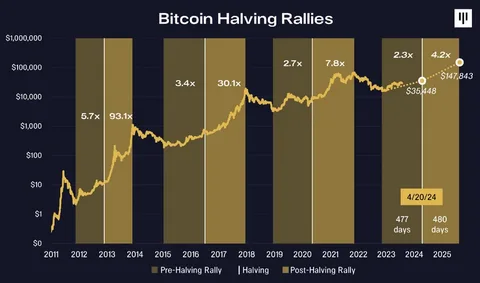
Crypto markets have experienced multiple boom-and-bust cycles. Historically, periods of deep correction have preceded strong recoveries. Supporters argue that the cryptocurrency slump represents a necessary reset that clears excess leverage and speculation.
However, timing remains uncertain. Recoveries depend on macro conditions, regulatory clarity, and real-world adoption rather than narratives alone.
Strategic Approaches for Investors
Investors increasingly emphasize diversification, risk management, and fundamental analysis. Rather than chasing hype, market participants are focusing on projects with strong use cases, transparent governance, and sustainable revenue models.
The Future of Crypto After the 2025 Slump
Innovation Continues Beneath the Surface
Despite price declines, development activity remains robust. Layer-2 scaling solutions, real-world asset tokenization, and institutional infrastructure continue to evolve. These advancements suggest that the industry is maturing beyond speculative cycles.
The challenge lies in aligning innovation with market confidence. Once macro pressures ease and regulatory clarity improves, the foundation built during the downturn could support renewed growth.
Rebuilding Trust and Momentum
Rebuilding trust will require consistent policy signals, improved security standards, and broader education for investors. The lessons of 2025 highlight the importance of balancing optimism with realism.
Conclusion
The cryptocurrency slump erases 2025 financial gains and Trump-inspired optimism, marking a pivotal moment for the digital asset industry. What began as a year of high expectations quickly transformed into a sobering reminder of crypto’s vulnerability to macroeconomic forces, political uncertainty, and sentiment-driven narratives. While the downturn has inflicted significant losses, it has also prompted a necessary reassessment of valuations, strategies, and long-term goals.
As markets stabilize, the focus is shifting from speculation to substance. The future of cryptocurrencies will depend less on political optimism and more on tangible progress, regulatory clarity, and real-world adoption. For investors and builders alike, the events of 2025 underscore that resilience, patience, and informed decision-making remain essential in navigating the evolving crypto landscape.
Frequently Asked Questions (FAQs)
Q. Why did the cryptocurrency slump erase 2025 financial gains?
The slump resulted from a combination of macroeconomic pressures, high interest rates, regulatory uncertainty, and fading political optimism that triggered widespread selling and reduced liquidity.
Q. How did Trump-inspired optimism affect crypto markets?
Trump-inspired optimism fueled early rallies based on expectations of pro-crypto policies. When concrete changes failed to materialize, markets corrected sharply.
Q. Is the 2025 crypto slump similar to previous bear markets?
While each cycle is unique, the 2025 slump shares similarities with past corrections, including overvaluation, leverage unwinding, and sentiment shifts.
Q. Can cryptocurrencies recover after this downturn?
Recovery is possible but depends on factors such as regulatory clarity, macroeconomic stability, and continued technological innovation.
Q. What should investors do during a cryptocurrency slump?
Investors should focus on risk management, long-term fundamentals, diversification, and avoiding decisions driven by short-term emotions or hype.