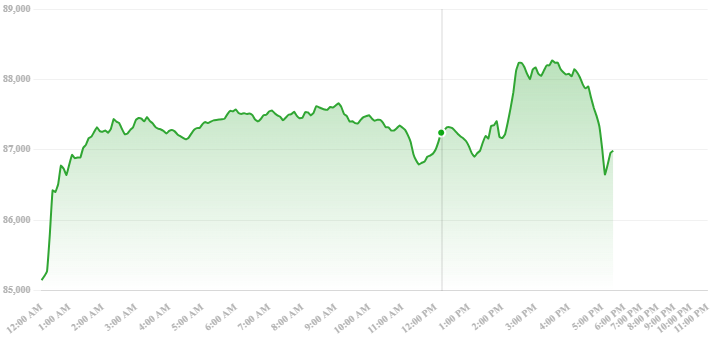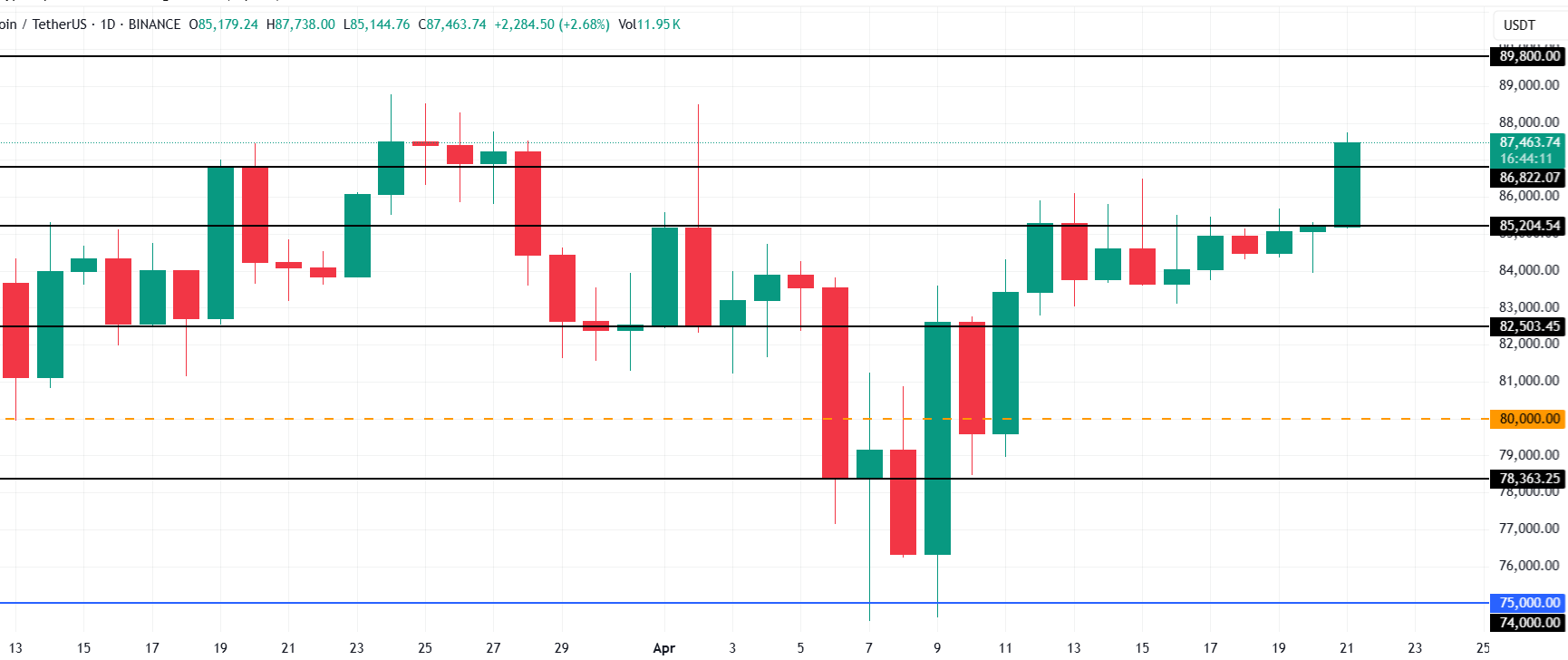
The latest downswing in Bitcoin and Ethereum isn’t just another routine dip in a volatile market. It’s a shift in tone that has forced both short-term traders and long-term believers to reassess risk, timing, and expectations. When Bitcoin and Ethereum decline together for a sustained stretch, it often reflects broader pressure on the entire digital-asset ecosystem, not simply a temporary imbalance between buyers and sellers. This matters because these two assets are widely treated as bellwethers—when they are weak at the same time, confidence across the market tends to thin out, liquidity becomes cautious, and rallies get sold faster.
The current crypto market crash narrative has also been intensified by the way declines are unfolding. Instead of a single sharp drop followed by quick stabilization, the market often grinds lower in waves—brief relief bounces followed by renewed selling. That pattern can be more psychologically exhausting than a one-day event because it keeps uncertainty alive. Traders start to doubt support zones, investors hesitate to average down, and sidelined capital becomes patient rather than eager. In this environment, the phrase Bitcoin price drop doesn’t capture the whole story. What many participants are feeling is a broad crypto sell-off that touches everything from major coins to altcoins, from DeFi tokens to NFT-related assets, and from crypto-linked stocks to risk-sensitive tech names.
What makes the discussion even more intense is that many experts are warning of “more pain to come.” That doesn’t mean a collapse is guaranteed, but it does suggest that downside risks remain credible. When analysts talk about more downside, they usually point to a combination of factors: macro conditions that restrict risk-taking, leverage that has not fully cleared, thinning liquidity, and sentiment that can spiral when fear becomes the dominant emotion. Meanwhile, Ethereum price action often adds a second layer of complexity. Ethereum has its own drivers—network activity, fee trends, DeFi liquidity, and investor positioning around staking—but in risk-off periods, it may still move in lockstep with Bitcoin.
This article breaks down what’s fueling the latest plunge, why analysts keep warning about further weakness, and what signals may help you judge whether the worst is still ahead or whether the market is beginning to build a base. You’ll also find practical risk-management considerations and a clear list of indicators traders commonly watch during a sustained crypto sell-off.
What It Means When Bitcoin and Ethereum Fall Together
When Bitcoin and Ethereum are both trending down, the market is usually signaling one of two things: a broad reduction in risk appetite or a leveraged unwind that is spilling across assets. Because Bitcoin is the most widely held and traded crypto, it often dictates the market’s “risk temperature.” Ethereum follows closely because it is deeply embedded in DeFi, token markets, and institutional crypto exposure. When both leaders weaken simultaneously, it becomes harder for the rest of the market to sustain strength.
A synchronized slide also impacts liquidity. Market makers widen spreads, buyers place bids lower, and sellers become more urgent if they fear another leg down. That can create sharp intraday swings and quick reversals, reinforcing the sense of instability. In other words, when Bitcoin and Ethereum plunge together, it’s not just price action—it’s a sentiment event.
Main Drivers Behind the Ongoing Crypto Sell-Off
Risk-Off Macro Environment and Tighter Financial Conditions
A prolonged crypto sell-off often aligns with risk-off macro conditions. When global investors prefer safer assets, speculative markets tend to suffer. Higher real yields, a stronger dollar, or expectations of tighter monetary policy can reduce demand for volatile assets. In those moments, Bitcoin and Ethereum can behave like high-beta instruments—moving more aggressively than broader markets.
Even if crypto has unique adoption drivers, capital still flows based on opportunity cost. When investors can earn relatively attractive returns elsewhere with lower volatility, demand for crypto can weaken, amplifying a Bitcoin price drop and pressuring the Ethereum price at the same time.
Leverage Unwinds and Forced Liquidations
Leverage is a major accelerant in crypto. When longs become crowded, a small decline can trigger liquidations. Those forced sells push prices down further, triggering more liquidations in a chain reaction. That’s why a crypto market crash can look sudden even if the underlying catalyst seems modest.
During a prolonged decline, analysts watch whether leverage truly clears or whether it rebuilds too quickly on each bounce. If leverage keeps returning, the market remains vulnerable to repeated flushes—and experts will keep warning of more downside risk.
Liquidity Gaps and Thin Order Books
Liquidity can disappear quickly when uncertainty rises. If fewer buyers are willing to step in, prices can slip through levels that previously held. Thin order books can make each wave of selling feel heavier, and that can keep Bitcoin and Ethereum under pressure even during quiet news cycles.
Sentiment Shifts and “Rally Selling” Behavior
In healthy markets, dips are bought. In fragile markets, rallies are sold. This shift is central to understanding why experts warn about more pain: if participants consistently sell into strength, upside attempts fail early, creating a downward staircase. Over time, this behavior reinforces the idea that the path of least resistance remains lower for Bitcoin and Ethereum.
Why Experts Warn of More Pain to Come
The Market May Still Be Searching for a Clear Bottom
Experts often warn of more downside when price has not shown “bottoming behavior.” That includes repeated breakdowns, weak rebounds, and heavy selling into resistance. In a prolonged Bitcoin price drop, a durable bottom usually requires time—sideways consolidation that rebuilds confidence and allows supply to move from impatient sellers to patient holders.
If price keeps making lower lows without extended stabilization, analysts may conclude that the market is still in discovery mode and that Bitcoin and Ethereum could revisit deeper support zones.
Repeated Failed Rallies Indicate Weak Demand
When Bitcoin and Ethereum bounce but fail quickly, it can suggest that demand is not strong enough to absorb supply. Experts interpret this as a sign that buyers are cautious, waiting for clearer confirmation, or allocating capital elsewhere. A market that cannot hold gains is a market that remains vulnerable.
Altcoin Weakness and Broad De-Risking
Another reason experts warn of more pain is broad weakness outside the majors. When altcoins and DeFi tokens underperform severely, it often reflects a flight to quality within crypto—and sometimes a flight out of crypto entirely. That broader de-risking can feed back into Bitcoin and Ethereum, keeping pressure on overall sentiment.
Ethereum’s Extra Pressure Points: Why ETH Can Feel Heavier in Downturns
DeFi Activity, Liquidity, and Risk Appetite
Because Ethereum is tightly connected to DeFi, it can be sensitive to risk appetite. In downturns, users reduce leverage, unwind yield strategies, and rotate into stablecoins. Reduced on-chain activity can weigh on confidence around the Ethereum price, even if Ethereum’s long-term fundamentals remain intact.
Staking, Unlock Narratives, and Positioning
Even when staking is seen as a long-term positive, positioning matters. If many market participants treat staking yields as an “income-like” feature, they may still choose to reduce exposure during a crypto market crash to preserve capital. The result is that Ethereum can decline alongside Bitcoin, while also facing its own internal rotations.
Correlation With Bitcoin in Risk-Off Phases
In bullish phases, Ethereum can outperform. In panic phases, correlations often rise—meaning Bitcoin and Ethereum move together. That’s why ETH-specific positives may not help immediately during a broad crypto sell-off.
How Crypto-Linked Stocks and ETFs Amplify the Downturn
Crypto Proxies Can Move Like Leveraged Bets
In many markets, crypto-related equities behave like levered exposure. When Bitcoin falls, miners, exchanges, and crypto-treasury companies can drop more due to business-model risks. That can worsen sentiment, adding pressure back onto Bitcoin and Ethereum as investors interpret equity declines as a sign of deeper stress.
ETF Flows and Passive Rebalancing
ETFs and funds can influence price direction when flows turn negative. Outflows can force selling, while rebalancing can add pressure during volatility spikes. When this happens alongside a Bitcoin price drop, the market can feel like it’s falling under its own weight.
Technical and Behavioral Signals Traders Watch During a Crypto Market Crash
Support Zones, Resistance Levels, and Market Structure
Traders monitor whether price holds major support zones or slices through them. In a sustained Bitcoin price drop, repeated loss of support can confirm bearish structure. For Ethereum, losing key zones can suggest risk-off is still dominant and that the Ethereum price may need time to rebuild a base.
Volume Patterns and Capitulation Clues
Capitulation is often associated with a surge in selling volume and panic behavior. While painful, capitulation can sometimes mark exhaustion. However, not every high-volume sell-off is capitulation; sometimes it’s just the start of a longer trend. That uncertainty is why experts remain cautious during a crypto market crash.
Funding Rates, Open Interest, and Leverage Temperature
Leverage metrics help traders estimate whether risk has cleared. If funding normalizes and open interest declines, it can imply that forced sellers have been flushed. If leverage rebuilds quickly, the market remains susceptible, and warnings of more pain persist.
Volatility and Options Skew
Rising implied volatility and defensive options positioning often reflect fear. When markets price heavy downside protection, it can indicate that participants expect further instability for Bitcoin and Ethereum.
What Investors Can Do: Practical Risk Management in a Crypto Sell-Off
Define Your Time Horizon Before You Touch a Button
The right decision for a day trader is often wrong for a long-term investor. If you’re trading short-term moves, a crypto sell-off can offer opportunities—but only if you manage risk tightly. If you’re investing for years, the key is whether your thesis has changed, not whether today’s candle is red.
Reduce Position Size When Volatility Rises
In periods of a crypto market crash, smaller position sizes can reduce emotional decision-making. When volatility expands, it becomes easier to get shaken out by normal price swings. Reducing size is a simple way to stay disciplined.
Avoid Overconcentration and Proxy Confusion
Holding Bitcoin is not the same as holding crypto-related equities. Crypto-linked stocks add company-specific risks, including dilution, debt, margin pressure, and regulatory exposure. In a downturn, these risks can amplify losses beyond the underlying Bitcoin price drop.
Stick to a Plan for Entries and Exits
If you plan to average in, set clear rules: frequency, maximum allocation, and conditions that would stop you from adding. If you plan to trade, define invalidation points. Without rules, a crypto sell-off can turn decision-making into impulse.
What Could Change the Trend for Bitcoin and Ethereum?
A meaningful shift usually requires more than one green day. For Bitcoin, stabilization often comes when leverage clears, liquidity improves, and the market stops reacting violently to negative catalysts. For Ethereum, a trend change may also require improving on-chain confidence and reduced stress in DeFi liquidity.
A durable recovery often looks like this: fewer sharp breakdowns, higher lows over time, and rallies that hold rather than fade immediately. Until those conditions appear, experts will keep emphasizing downside risk because the market has not proven that demand is strong enough to reverse the broader crypto market crash mood.
Conclusion
The ongoing plunge in Bitcoin and Ethereum reflects a market that is repricing risk while confidence remains fragile. In these conditions, expert warnings about more pain aren’t meant to predict doom—they are reminders that volatility can persist, leverage can unwind in waves, and price can remain under pressure longer than many expect.
For participants, the most useful approach is to prioritize clarity and discipline. Understand what’s driving the crypto sell-off, watch for evidence that selling pressure is actually easing, and avoid decisions that depend on perfect timing. Whether you’re trading the trend or investing for the long run, a market in decline demands tighter risk controls and a willingness to wait for confirmation. When the environment finally shifts, Bitcoin and Ethereum usually make it obvious through stronger structure, steadier rebounds, and improving sentiment. Until then, the downside risks that experts highlight remain part of the landscape.
FAQs
Q: Why are Bitcoin and Ethereum falling at the same time?
When Bitcoin and Ethereum fall together, it usually signals broad risk-off sentiment or a leverage unwind across the market. High correlation is common during a crypto market crash.
Q: What does it mean when experts warn of more pain to come?
It typically means market structure is still weak—support keeps breaking, rebounds fail, and leverage or liquidity conditions remain unstable. In that setup, a continued Bitcoin price drop is still possible.
Q: Why does Ethereum sometimes drop faster than Bitcoin?
The Ethereum price can be more sensitive during downturns because it is closely tied to DeFi liquidity and risk appetite. In a crypto sell-off, ETH can face both market-wide pressure and ecosystem-specific rotations.
Q: Are crypto-linked stocks a safer way to get exposure during a downturn?
Not necessarily. Crypto-linked stocks can be riskier because they add business-model and financing risks. In a crypto market crash, they may fall more than Bitcoin or Ethereum.
Q: What signals suggest the sell-off might be ending?
Traders watch for leverage clearing, volatility calming, support holding, and rallies that don’t immediately fade. If these improve, the crypto sell-off may be transitioning into stabilization.