The global financial system is undergoing a profound digital transformation, and major institutions are no longer observers of innovation but active participants. One of the most compelling developments in recent weeks is the news that Barclays explores blockchain platform solutions to enhance its payment processes. As traditional banking giants increasingly embrace blockchain technology, the conversation around digital payments, cross-border transactions, and financial infrastructure modernization becomes more urgent and more relevant.
The move signals not only technological curiosity but strategic foresight. In an era where fintech innovation, decentralized finance, and real-time settlement systems are redefining how money moves across borders, banks must evolve or risk falling behind. The idea that Barclays explores blockchain platform integration reflects a broader institutional shift toward efficiency, transparency, and cost reduction in payment networks.
This development is particularly significant because payment systems form the backbone of global finance. From corporate treasury operations to retail banking transactions, every segment relies on secure and efficient settlement mechanisms. By examining blockchain-driven alternatives, Barclays is positioning itself at the forefront of a financial revolution that could reshape the global banking ecosystem for decades to come.
The Strategic Context Behind Barclays Exploring Blockchain
When Barclays explores blockchain platform innovation, it is not acting in isolation. The banking sector has faced increasing pressure from digital asset adoption, cryptocurrency markets, and technology-native financial service providers. These emerging players offer faster, cheaper, and more transparent alternatives to traditional systems.
The Pressure of Digital Transformation in Banking
Over the past decade, banks have invested heavily in digital transformation. Mobile banking apps, AI-powered risk assessment, and automated compliance systems are now standard. However, payment infrastructure remains complex, often involving multiple intermediaries and delayed settlement cycles.
Blockchain technology introduces a different model. Instead of fragmented databases maintained by separate entities, a distributed ledger allows multiple participants to access synchronized records in real time. This architecture can significantly reduce reconciliation costs and operational delays.
The fact that Barclays explores blockchain platform solutions demonstrates recognition that incremental upgrades are no longer sufficient. The financial landscape demands structural transformation rather than cosmetic adjustments.
Rising Demand for Faster Cross-Border Payments
Cross-border payments are historically slow and expensive due to intermediary banks, currency conversion layers, and compliance checks. Businesses operating globally increasingly demand real-time settlement, improved liquidity management, and lower transaction fees.
A blockchain-based platform can streamline these processes by enabling near-instant transaction validation and settlement. By reducing the number of intermediaries, banks can deliver faster services while enhancing payment transparency.
In this context, the initiative that Barclays explores blockchain platform infrastructure becomes both a competitive necessity and a strategic advantage.
How Blockchain Technology Enhances Payment Processes

To understand why Barclays explores blockchain platform solutions, it is essential to examine how blockchain can transform payment processes at a technical and operational level.
Distributed Ledger Efficiency
Traditional payment systems rely on centralized databases. Each institution maintains its own ledger, leading to reconciliation mismatches and operational overhead. Blockchain’s distributed ledger technology ensures that all participants share the same updated record, reducing errors and disputes.
This shared infrastructure eliminates redundant verification steps, potentially cutting operational costs while enhancing transaction accuracy.
Enhanced Security and Fraud Reduction
Security remains a top priority for global banks. Blockchain networks use cryptographic mechanisms to validate transactions. Once recorded, entries become extremely difficult to alter without consensus.
This immutability can significantly reduce fraud risks and unauthorized modifications. When Barclays explores blockchain platform implementation, it is likely evaluating how cryptographic security layers can strengthen its existing risk frameworks.
Smart Contracts and Automation
Another major advantage lies in smart contract technology, which enables automated execution of predefined conditions. For payment processes, this could mean automatic release of funds once contractual obligations are met. Such automation reduces manual intervention, accelerates settlements, and enhances operational efficiency.
Institutional Adoption and Competitive Landscape
Barclays’ exploration reflects a broader institutional trend. Major financial institutions are increasingly investigating blockchain integration for custody, settlement, and payment solutions.
The Shift From Experimentation to Implementation
In earlier years, blockchain initiatives within banks were largely experimental. Pilot projects were launched but rarely scaled. Today, however, market dynamics have changed. The maturation of enterprise blockchain solutions has improved scalability, compliance features, and integration capabilities.
When Barclays explores blockchain platform development, it signals a shift from theoretical exploration to potential operational deployment.
Competing With Fintech and Decentralized Platforms
Fintech companies and decentralized networks offer compelling alternatives to traditional banking rails. These platforms emphasize speed, lower fees, and global accessibility.
To remain competitive, established institutions must integrate comparable technological capabilities. Blockchain adoption allows banks to retain regulatory credibility while matching the efficiency of digital-native competitors.
Regulatory Considerations and Compliance
While blockchain offers efficiency gains, regulatory compliance remains central. Any blockchain-based payment system must align with global financial regulations, anti-money laundering frameworks, and data protection laws.
Balancing Innovation With Oversight
Financial institutions operate under strict oversight. Implementing a blockchain platform requires clear audit trails, identity verification processes, and regulatory reporting compatibility.
The advantage of enterprise blockchain solutions is that they can incorporate compliance automation directly into the infrastructure. When Barclays explores blockchain platform systems, it must ensure that regulatory transparency remains intact.
Global Coordination Challenges
Cross-border blockchain payments introduce jurisdictional complexity. Different countries maintain varying regulatory standards.
Successful implementation requires coordination with regulators and international banking partners to ensure seamless integration without legal friction.
Potential Economic Impact on the Banking Sector
The broader implications of Barclays exploring blockchain platform solutions extend beyond a single institution. If successful, such initiatives could reshape the economic structure of global banking.
Cost Reduction and Operational Efficiency
Payment processing involves significant overhead costs. Blockchain-based systems can reduce reconciliation expenses, manual processing time, and infrastructure maintenance requirements.
Lower operational costs may translate into improved profit margins or reduced fees for customers, strengthening competitive positioning.
Increased Transparency in Financial Transactions
Blockchain’s transparent ledger design can improve transaction traceability. For corporate clients, enhanced transparency supports improved audit processes and financial reporting accuracy.
This level of visibility could redefine trust standards within global finance.
The Role of Stablecoins and Digital Assets
A blockchain payment platform may integrate stablecoin settlements or tokenized assets to facilitate near-instant value transfer.
Stablecoins pegged to fiat currencies can combine blockchain efficiency with price stability. If Barclays explores blockchain platform solutions that incorporate tokenized representations of fiat currency, it could enable seamless digital settlements without volatility risks.
This approach bridges traditional banking with the evolving digital asset ecosystem.
Technical Infrastructure and Scalability Challenges
Despite its advantages, blockchain technology must overcome scalability challenges. High transaction volumes require robust processing capacity and low latency.
Enterprise-grade blockchain networks are designed to address these limitations through permissioned structures and optimized consensus mechanisms.
Barclays’ exploration likely involves evaluating performance metrics, interoperability with legacy systems, and long-term scalability viability.
Market Perception and Investor Confidence
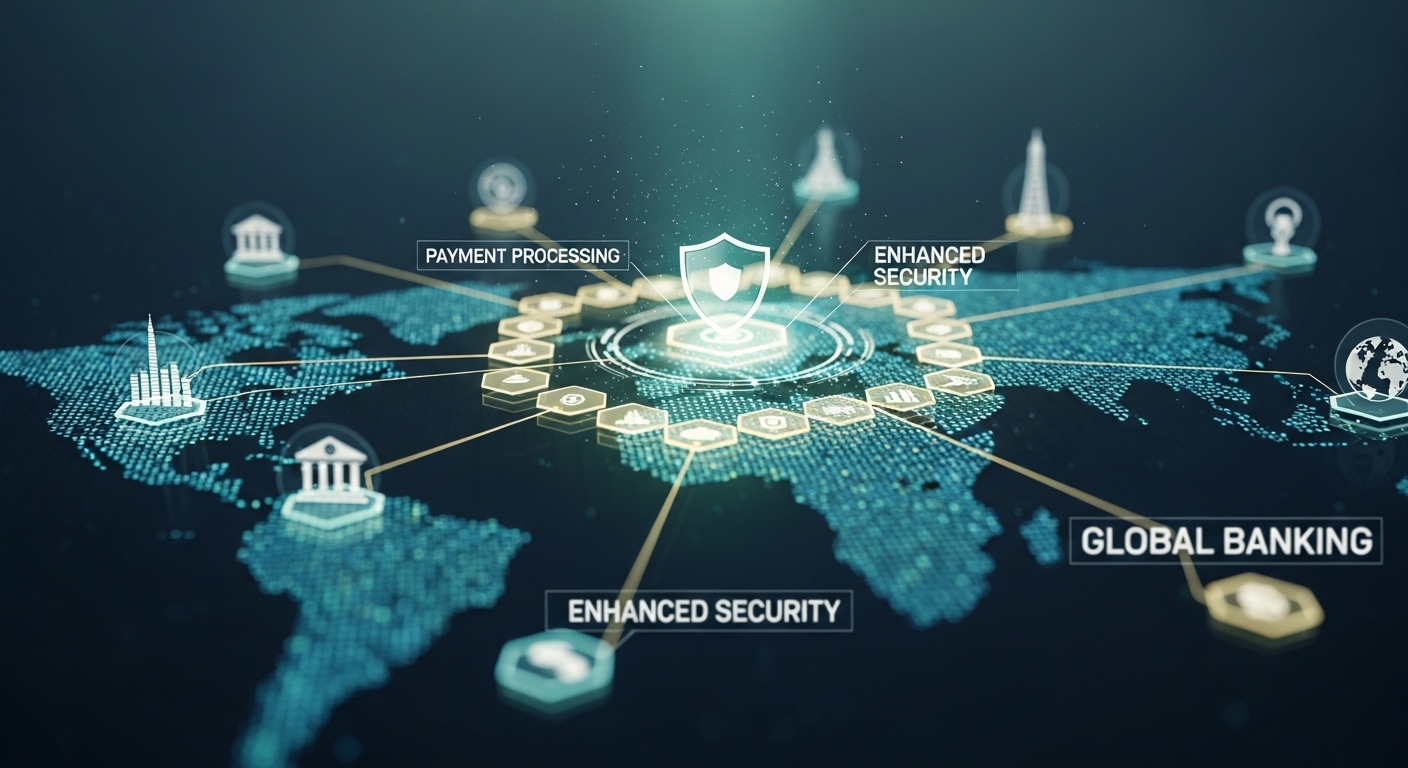
When a global institution signals blockchain adoption, markets respond. Investor confidence in digital infrastructure often strengthens when established banks validate emerging technologies.
The announcement that Barclays explores blockchain platform initiatives may encourage broader institutional participation and accelerate industry-wide adoption.
This perception shift can influence not only stock market sentiment but also digital asset markets and fintech innovation funding.
Long-Term Vision for Payment Ecosystems
The future of payments is increasingly digital, automated, and interconnected. Blockchain platforms represent a foundational layer for next-generation financial infrastructure.
If Barclays successfully integrates blockchain into its payment systems, it could pave the way for interoperable global networks, real-time settlements, and enhanced financial transparency across markets.
The move is not merely technological experimentation but a strategic investment in the architecture of tomorrow’s banking system.
Conclusion
The development that Barclays explores blockchain platform solutions for payment processes marks a significant milestone in institutional adoption of blockchain technology. As global finance evolves, banks must modernize their infrastructure to remain competitive in a landscape shaped by digital transformation, fintech innovation, and decentralized financial systems.
By exploring distributed ledger solutions, Barclays positions itself to enhance efficiency, security, and transparency within its payment ecosystem. While regulatory and scalability challenges remain, the potential benefits in cost reduction, settlement speed, and operational resilience are substantial.
This initiative reflects a broader industry shift from experimentation to strategic implementation. As traditional financial institutions integrate blockchain-driven solutions, the global payment infrastructure may undergo a transformation that redefines how money moves across borders and between institutions.
FAQs
Q: Why is Barclays exploring a blockchain platform for payment processes?
Barclays is exploring a blockchain platform to modernize its payment infrastructure, improve efficiency, and reduce operational costs. Traditional payment systems often rely on multiple intermediaries and delayed settlements. Blockchain technology offers a distributed ledger system that enables faster transaction validation, enhanced transparency, and improved security. By evaluating blockchain integration, Barclays aims to stay competitive in a rapidly evolving financial environment shaped by digital innovation and fintech disruption.
Q: How can blockchain improve cross-border payment systems?
Blockchain can significantly enhance cross-border payments by reducing intermediaries and enabling near-instant settlement. Traditional systems involve correspondent banks and currency conversion layers that increase costs and delays. A blockchain-based payment network allows synchronized transaction records and automated verification, leading to faster transfers, improved liquidity management, and greater transparency for both institutions and clients.
Q: What challenges could Barclays face when implementing blockchain technology?
Implementation challenges include regulatory compliance, scalability concerns, and integration with existing legacy systems. Financial institutions must ensure adherence to anti-money laundering laws, data protection regulations, and global compliance standards. Additionally, blockchain platforms must handle high transaction volumes efficiently while maintaining security and reliability. Overcoming these challenges requires robust technical infrastructure and regulatory coordination.
Q: Could blockchain adoption reduce banking fees for customers?
If blockchain integration successfully reduces operational and reconciliation costs, banks may pass some of these savings to customers through lower transaction fees. By minimizing intermediary involvement and automating settlement processes, institutions can streamline payment workflows. However, fee structures depend on broader strategic decisions and competitive dynamics within the financial sector.
Q: What does this move mean for the future of traditional banking?
Barclays exploring a blockchain platform signals that traditional banking is evolving rather than resisting change. Instead of being displaced by fintech or decentralized platforms, established institutions are integrating advanced technologies into their infrastructure. This approach combines regulatory trust and institutional stability with blockchain efficiency, potentially creating a hybrid financial system that merges the strengths of both traditional and digital finance.