The cryptocurrency world is never short on drama, but the recent incident involving the Binance Co-CEO’s hacked WeChat account stands out for its boldness and potential consequences. In a digital environment where trust is everything, a high-profile executive’s communication channel being compromised can lead to confusion, financial loss, and widespread panic.
This article explores the entire situation in detail from how the hack unfolded to why scammers increasingly target influential industry figures to promote dubious tokens. You will also learn about the broader implications for crypto investors, the rise of meme-coin exploitation campaigns.
Binance Co-CEO WeChat Hack and Its Immediate Impact
The hack involving the Binance Co-CEO’s WeChat account was not only unexpected but also strategically timed to maximize visibility. According to early reports, the compromised account was used to broadcast messages endorsing and promoting the MUBARA meme coin a token that was virtually unknown before the incident. This sudden promotion generated shock across the crypto community, triggering skepticism and immediate concerns about authenticity.
When a leader of a major crypto exchange especially one with the global reputation of Binance appears to promote a random meme coin, massive attention naturally follows. Scammers understand this dynamic. It allows them to artificially pump new tokens through fake endorsements, presenting them as legitimate investment opportunities.
Although the fraudulent messages were quickly identified as unauthorized, the damage was partially done. Some users who saw the endorsement believed the token was genuinely being supported by a Binance executive. A sudden spike in online discussion ensued, leading to increased trading volume in MUBARA as opportunistic traders rushed in before clarification was issued.
How the Attackers Gained Access to the WeChat Account
While the precise technical details remain undisclosed, cybersecurity analysts suggest that the attackers likely relied on classic social engineering or phishing techniques to gain access. Platforms like WeChat are widely used across Asia, especially for business communication, making them prime targets for cybercriminals. Social engineers often impersonate trusted individuals to trick high-value targets into revealing login credentials or verification codes.
With access to large networks, these attackers know that a single compromised account can open the door to more accounts and more victims. Another possibility is that the attackers used a phishing link cleverly disguised as a legitimate document or update request. Because executives often receive a high volume of daily messages, slipping in a deceptive link is easier than it may seem.
Though less likely in this particular case, SIM swapping attacks or the reuse of login credentials across platforms can give attackers a quick entry point. Regardless of the method used, the outcome is the same: unauthorized individuals gained control and used the account to push a meme coin for personal profit.
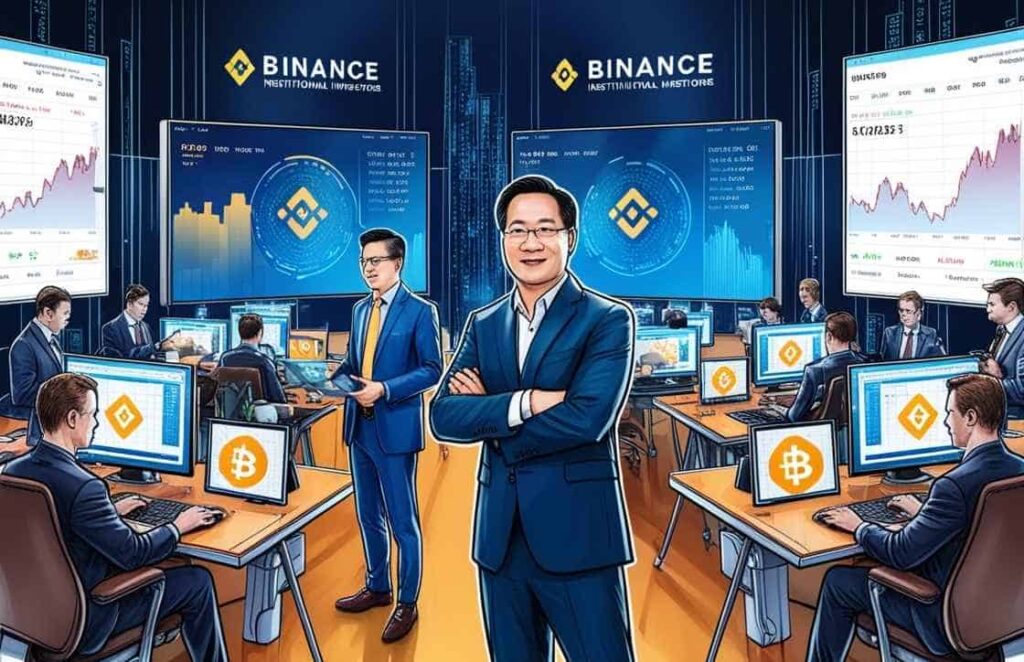
Why Scammers Used the Attack to Promote the MUBARA Meme Coin
The choice to promote MUBARA, a little-known meme coin, is not surprising to those familiar with how crypto scams work. Meme coins are particularly easy to manipulate due to their volatility, hype-driven value, and community-dependent growth. Meme coins with small market caps can be manipulated rapidly with minimal liquidity. A single post even a fake one by a high-profile figure can dramatically shift speculation.
If attackers can get a critical mass of investors to buy into a token, they can quickly sell their own holdings for a profit. This common strategy, known as a pump-and-dump, is at the core of many meme-coin scams. Crypto investors often rely on endorsements from trusted figures. Scammers exploit that trust to push tokens that would otherwise receive no attention.
By hacking a Binance Co-CEO, attackers amplified their message far more effectively than through anonymous promotion channels. WeChat is a major communication platform in the Asian crypto market, widely used among traders, founders, investors, and business leaders. Its popularity makes it particularly vulnerable to attacks.
High-Density Crypto User Base
Because so many crypto professionals rely on the app, gaining access to a prominent user’s account provides immediate access to a large, financially motivated audience. WeChat’s group features allow messages to spread quickly inside private communities, making it difficult for outsiders to identify scams early. Even though crypto regulations vary across the region, WeChat remains the primary tool for informal discussions and networking among crypto participants, which makes it an ideal vector for fraudulent promotions.
While Binance itself was not directly compromised, the hack may influence how users perceive the platform’s overall security ecosystem. In an industry that heavily depends on trust, even indirect breaches can affect public sentiment. High-level executives are expected to maintain secure communication channels. A breach at this level raises questions about how well-protected these channels are.
Crypto leaders regularly use apps like X, Telegram, and WeChat to make announcements. This hack reinforces the importance of verifying whether information is official and authentic.Investors often make decisions quickly based on social signals. If those signals become compromised, it creates systemic risk.

Why Meme Coin Scams Are Increasing in Frequency
The surge in meme-coin popularity is directly tied to the increasing number of scams. Meme coins like MUBARA appeal to retail traders who enjoy speculation and viral community-driven projects. However, their vulnerability to exploitation is high. Anyone with basic technical knowledge can create a token and begin promoting it within hours.Meme coins rely heavily on humor, community hype, and viral momentum, which scammers can mimic easily.
Retail traders often chase the next big meme coin, giving scammers a large pool of potential victims.All of these factors create the perfect storm for fraudulent promotion schemes.The hack of the Binance executive’s WeChat account is a powerful reminder of the need for improved digital security especially for public figures. While 2FA is crucial, it does not fully protect accounts from targeted phishing or social engineering.
Users need to be trained to verify announcements through official Binance channels before acting on any information. Cybersecurity training is just as important as technical infrastructure.Crypto investors must remain vigilant when encountering promotional messages especially those that seem too good to be true.
Conclusion
The hacking of the Binance Co-CEO’s WeChat account to push the MUBARA meme coin represents a serious incident that underscores the growing threat of digital impersonation within the cryptocurrency world. While the attack did not compromise Binance’s infrastructure, it revealed just how vulnerable the ecosystem.
As meme-coin campaigns continue to rise, and scammers become more sophisticated, investors must exercise extreme caution before trusting any promotional message especially when it appears to come from influential figures. Healthy level of skepticism can help protect users from financial loss and manipulation.
FAQs
Q. Was Binance itself hacked during the MUBARA incident?
No. Binance’s systems remained secure. The hack affected only the Co-CEO’s personal WeChat account, not the exchange’s internal infrastructure.
Q. What is MUBARA and why was it promoted through the hack?
MUBARA is a meme coin with little known history or legitimacy. Scammers promoted it to artificially pump its value and profit from unsuspecting investors.
Q. How can investors verify real announcements from Binance executives?
Always check Binance’s official website, its verified X account, and official app notifications. Communications from executives are always mirrored on official channels.
Q. Are meme coins safe to invest in?
Meme coins can be extremely risky due to volatility and manipulation. Investors should research thoroughly, avoid hype-driven decisions, and consider contract audits before investing.
Q. What should I do if I receive suspicious messages promoting a token?
Do not click links or make financial decisions. Report the message, verify authenticity through official channels, and remain cautious of unsolicited promotions.