The global cryptocurrency ecosystem has entered a new phase of transformation, and Bitcoin miners accelerate BTC sales as they adapt to changing market dynamics, economic pressures, and evolving technological demands. For years, many mining firms followed a strategy known as “HODLing,” where they held onto mined Bitcoin in anticipation of higher prices. However, the modern landscape is forcing miners to reconsider this approach.
Several factors are driving this shift. Rising energy costs, increased mining difficulty, tighter financial conditions, and the need for sustainable operations have pushed mining companies to sell a larger share of their mined Bitcoin. At the same time, the industry itself is undergoing a strategic pivot as miners explore new revenue streams, optimize infrastructure, and integrate emerging technologies such as artificial intelligence computing and high-performance data centers.
As a result, the trend where Bitcoin miners accelerate BTC sales reflects more than just short-term market behavior. It signals a broader restructuring of the cryptocurrency mining sector and highlights how miners are adapting to survive and grow in a competitive environment.
This article explores why miners are selling more Bitcoin, what this means for the broader crypto market, and how the industry pivot could reshape the future of Bitcoin mining operations.
Understanding the Changing Bitcoin Mining Landscape
The Evolution of the Bitcoin Mining Industry
In the early days of Bitcoin, mining was largely a hobbyist activity carried out on personal computers. As Bitcoin’s popularity surged, mining evolved into a highly specialized industry requiring advanced hardware, vast energy resources, and large-scale infrastructure.
Today, industrial Bitcoin mining operations dominate the ecosystem. Massive data centers equipped with thousands of ASIC mining machines operate around the clock to validate transactions and secure the blockchain network. These operations demand significant capital investment, including hardware procurement, electricity costs, cooling systems, and facility management.
As the industry matured, mining companies increasingly adopted sophisticated financial strategies. Many firms raised capital through public markets, issued debt, or secured institutional investments. However, these financial commitments also created new pressures that now contribute to why Bitcoin miners accelerate BTC sales.
Rising Operational Costs
One of the most significant drivers behind increased Bitcoin sales is the steady rise in operational expenses. Electricity remains the largest cost for most mining operations, and fluctuations in global energy prices have placed additional strain on profit margins.
In regions where electricity costs surged, miners found it increasingly difficult to maintain profitability. Even in areas with historically low energy prices, infrastructure expansion and regulatory compliance have increased expenses.
When operating costs climb, miners often need to liquidate more of their Bitcoin reserves to maintain cash flow. As a result, Bitcoin miners accelerate BTC sales to cover expenses such as electricity bills, hardware upgrades, and operational overhead.
The Impact of Bitcoin Halving on Mining Economics
How Halving Events Affect Miners
Another major factor influencing the decision to sell more Bitcoin is the periodic Bitcoin halving event. Halving occurs approximately every four years and reduces the block reward miners receive for validating transactions.
With each halving, the number of new Bitcoins entering circulation decreases, which historically contributes to long-term price appreciation. However, halving also immediately reduces miner revenue by cutting the block reward in half.
For mining companies operating on tight margins, this revenue reduction can significantly affect profitability. Consequently, Bitcoin miners accelerate BTC sales to ensure they have sufficient liquidity to continue operations during post-halving adjustments.
Increased Mining Difficulty
As the Bitcoin network grows, mining difficulty automatically adjusts to maintain a consistent block generation time. This means miners must continuously deploy more powerful hardware and greater computing resources to remain competitive.
Higher mining difficulty increases energy consumption and equipment wear, leading to greater costs. When revenue does not rise proportionally with these expenses, miners often sell more of their mined Bitcoin to offset the financial burden.
This dynamic is another key reason why Bitcoin miners accelerate BTC sales, particularly during periods when Bitcoin prices remain volatile or stagnant.
Financial Pressures Facing Public Mining Companies
Debt Obligations and Investor Expectations
In recent years, many large mining firms went public to raise capital and expand their operations. While this strategy provided funds for growth, it also introduced new financial obligations.
Publicly traded mining companies must meet investor expectations, maintain revenue stability, and service outstanding debt. These financial responsibilities can make holding large reserves of Bitcoin less feasible.
Instead of accumulating digital assets indefinitely, many firms now adopt a strategy of regularly selling mined Bitcoin to maintain stable balance sheets. As a result, Bitcoin miners accelerate BTC sales to satisfy both operational needs and shareholder demands.
Liquidity and Cash Flow Management
Liquidity has become a critical priority for mining firms. In volatile markets, relying solely on Bitcoin price appreciation can be risky. Companies must ensure they have enough cash to cover operational costs, repay loans, and fund future expansion.
Selling mined Bitcoin provides immediate liquidity. This strategy allows companies to maintain financial flexibility and avoid being forced into unfavorable financing arrangements.
Consequently, the trend where Bitcoin miners accelerate BTC sales reflects a shift toward more conservative financial management within the mining sector.
Industry Pivot: Diversifying Beyond Traditional Mining
Expansion Into Artificial Intelligence Infrastructure
One of the most notable developments in the mining industry is the growing interest in artificial intelligence infrastructure. Many mining companies already operate large data centers with substantial computing capacity and cooling systems.
These facilities can be repurposed or partially allocated for AI training workloads, cloud computing, and high-performance computing services. With global demand for AI processing power surging, miners see an opportunity to diversify revenue streams.
As companies invest in this transition, Bitcoin miners accelerate BTC sales to finance infrastructure upgrades and new technology deployments.
Data Center Transformation
Another aspect of the industry pivot involves transforming traditional mining farms into multi-purpose data centers. These facilities can host various computational workloads beyond cryptocurrency mining.
By expanding into cloud hosting services, edge computing, and blockchain infrastructure, mining firms aim to reduce reliance on Bitcoin price cycles. Diversification also provides a buffer during periods when mining profitability declines.
Funding these transformations often requires capital investment, which further explains why Bitcoin miners accelerate BTC sales during periods of industry restructuring.
Market Implications of Increased Bitcoin Sales
Short-Term Price Pressure
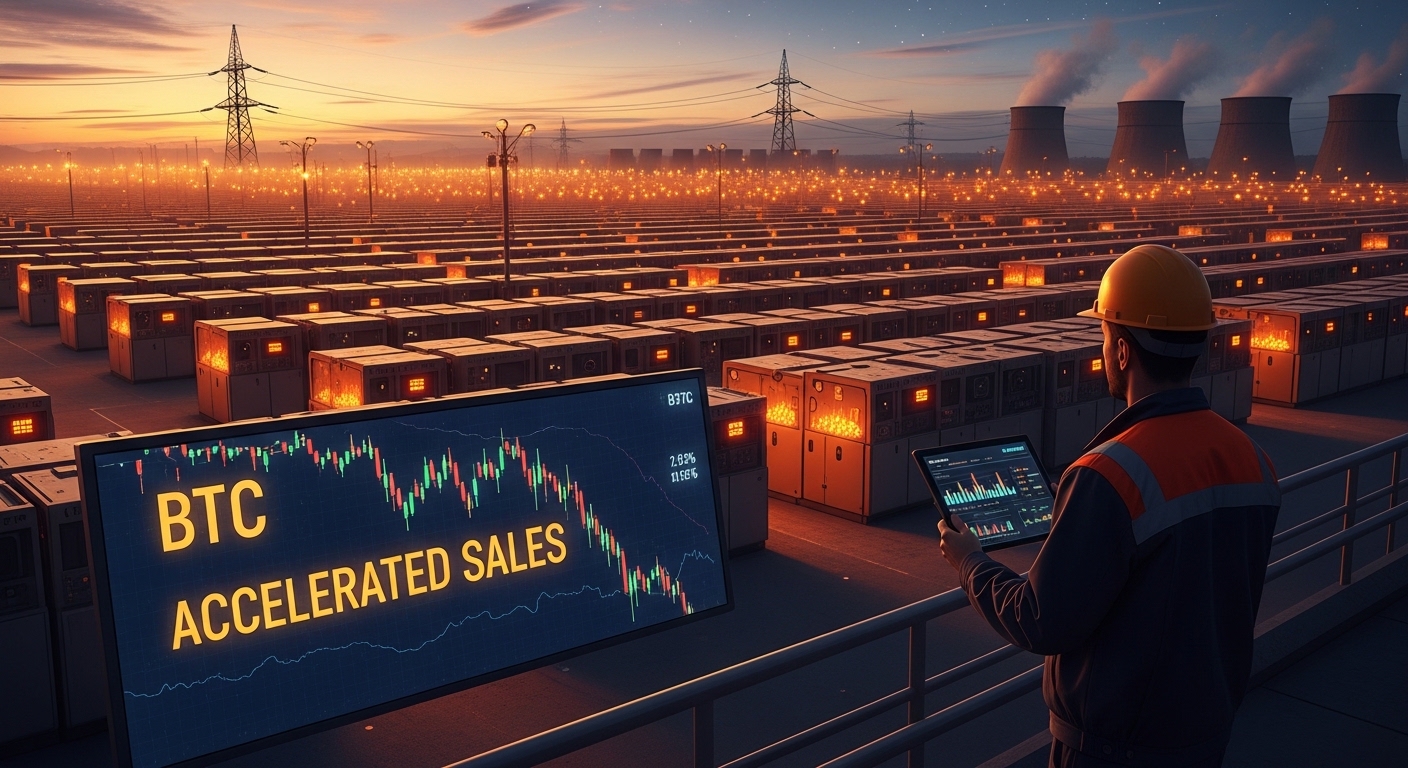
When large mining companies sell significant amounts of Bitcoin, the increased supply can create short-term pressure on market prices. Traders closely monitor miner wallets and blockchain data to track these movements.
However, while the trend that Bitcoin miners accelerate BTC sales may influence short-term market sentiment, its long-term impact is often less dramatic than many investors assume.
Bitcoin’s global market includes institutional investors, retail traders, and long-term holders whose activities also shape price movements.
Market Maturity and Stability
Interestingly, the fact that miners are selling more Bitcoin may also indicate a maturing industry. Instead of relying solely on speculative price increases, mining firms are adopting sustainable financial strategies.
Regularly selling mined Bitcoin to cover costs can actually create a more stable market environment by distributing supply gradually rather than releasing large reserves all at once.
Thus, while Bitcoin miners accelerate BTC sales, the broader cryptocurrency ecosystem may ultimately benefit from increased financial discipline within the mining sector.
The Role of Energy Innovation in Mining’s Future
Renewable Energy Integration
Energy consumption remains one of the most debated aspects of Bitcoin mining operations. To address environmental concerns and reduce costs, many mining firms are turning to renewable energy sources such as solar, wind, and hydroelectric power.
These energy solutions can significantly reduce operational expenses and improve sustainability. In regions with abundant renewable resources, mining companies are forming partnerships with energy providers to secure long-term power agreements.
While transitioning to renewable infrastructure can be expensive initially, miners often fund these initiatives by selling part of their Bitcoin holdings. Consequently, Bitcoin miners accelerate BTC sales as they invest in greener and more efficient energy systems.
Utilizing Excess and Stranded Energy
Another emerging trend involves mining operations utilizing stranded energy—electricity that would otherwise go unused due to geographic or infrastructure limitations.
By setting up mining facilities near oil fields, hydroelectric dams, or remote energy sources, companies can take advantage of low-cost electricity. This strategy reduces operational costs and improves overall mining efficiency.
Nevertheless, building such facilities requires upfront investment, which again explains why Bitcoin miners accelerate BTC sales during expansion phases.
Long-Term Outlook for Bitcoin Mining
Consolidation in the Mining Industry
As financial pressures increase, the mining industry may experience further consolidation. Smaller operations with limited resources could struggle to remain profitable, leading to mergers, acquisitions, or closures.
Large mining corporations with diversified revenue streams and stronger financial reserves are better positioned to survive market volatility. In this evolving landscape, strategic financial decisions—including selling mined Bitcoin—play a critical role.
Innovation and Technological Advancement
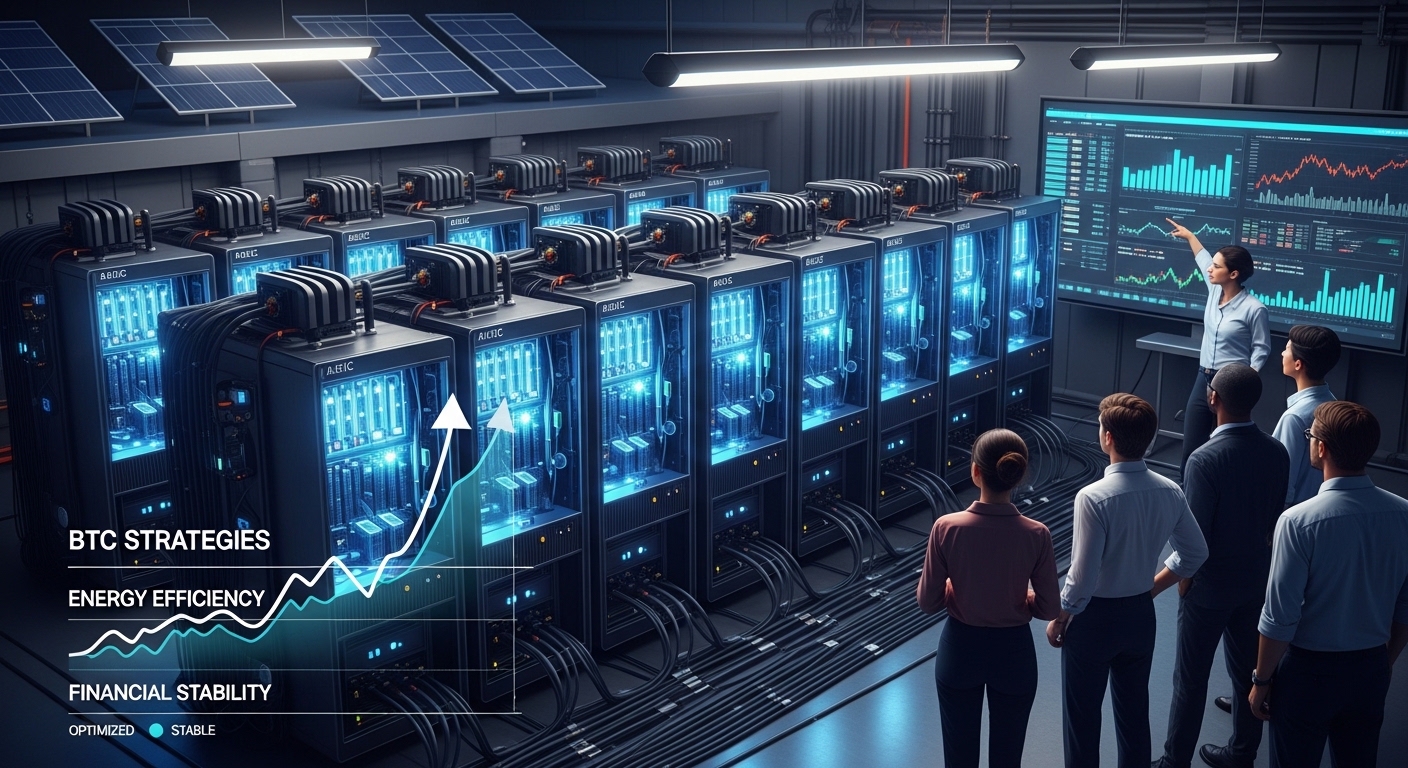
Despite the challenges, the future of Bitcoin mining remains promising. Advances in mining hardware efficiency, cooling technology, and energy optimization continue to improve operational performance. The industry pivot toward AI infrastructure, renewable energy, and diversified computing services may transform mining companies into broader digital infrastructure providers. In this context, the trend where Bitcoin miners accelerate BTC sales represents a strategic adaptation rather than a sign of industry decline.
Conclusion
The fact that Bitcoin miners accelerate BTC sales reflects a significant shift in how the cryptocurrency mining industry operates. Rising operational costs, halving events, financial obligations, and evolving market conditions have pushed mining companies to adopt more sustainable and flexible financial strategies.
Rather than hoarding large amounts of Bitcoin, many miners are now prioritizing liquidity, stability, and diversification. At the same time, the industry is undergoing a major pivot toward renewable energy, artificial intelligence infrastructure, and multi-purpose data centers.
These changes suggest that Bitcoin mining is entering a more mature phase of development. While short-term market fluctuations may occur as miners sell more Bitcoin, the long-term outlook for the industry remains strong. Ultimately, the decision by miners to increase Bitcoin sales may strengthen the sector by encouraging innovation, improving financial management, and ensuring that mining operations remain viable in an increasingly competitive global landscape.
FAQs
Q: Why are Bitcoin miners selling more BTC now?
Bitcoin miners accelerate BTC sales primarily due to rising operational costs, reduced block rewards after halving events, and the need for liquidity to cover expenses and repay debt.
Q: Does increased miner selling affect Bitcoin’s price?
Large miner sales can create short-term market pressure, but the overall impact is usually limited because Bitcoin’s global market includes many different participants and sources of demand.
Q: What is the industry pivot in Bitcoin mining?
The industry pivot refers to mining companies expanding into new areas such as AI computing infrastructure, cloud data centers, and renewable energy-powered mining operations.
Q: Are Bitcoin miners still profitable?
Profitability depends on factors like electricity costs, hardware efficiency, and Bitcoin price levels. Some miners remain highly profitable, while others face tighter margins.
Q: Will Bitcoin mining continue to grow in the future?
Yes. With advancements in energy efficiency, hardware innovation, and data center diversification, Bitcoin mining is expected to remain a key component of the global cryptocurrency ecosystem.