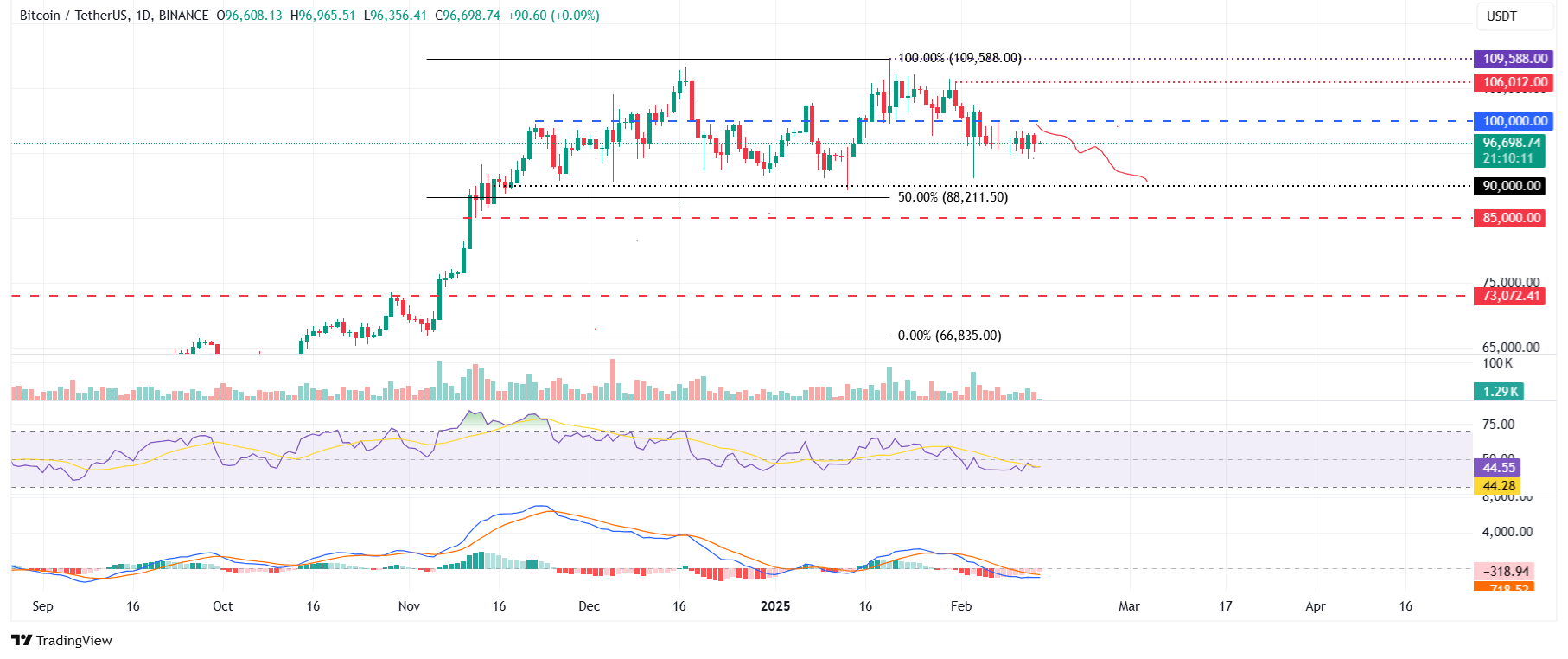
Bitcoin markets are once again showing signs of deeper structural activity beneath the surface. While short-term price movements often dominate headlines, a more meaningful story is unfolding on-chain. Bitcoin whales—large holders capable of moving significant amounts of capital—are stepping up their buying activity just as high-value transactions rebound across the network. This combination is drawing attention from analysts, long-term investors, and traders alike, as it historically signals a potential shift in market momentum.
When whale accumulation aligns with a rise in large transactions, it often suggests strategic positioning rather than speculative frenzy. These market participants typically operate with longer time horizons, greater access to liquidity, and deeper insight into macroeconomic and on-chain trends. As a result, their actions can provide valuable clues about where Bitcoin may be heading next.
This article explores why Bitcoin whales are increasing their exposure, what a rebound in high-value transactions really means, how to interpret these signals correctly, and what risks still remain. By understanding the broader context behind whale behavior, readers can gain a clearer perspective on Bitcoin’s evolving market structure.
Understanding Bitcoin Whales and Their Market Influence
Bitcoin whales are entities or individuals that hold large amounts of BTC, often ranging from hundreds to tens of thousands of coins. These holders can include early adopters, institutional investors, funds, mining entities, and corporate treasuries. Due to the size of their holdings, their buying or selling activity can significantly impact liquidity and price dynamics.
What makes whale behavior especially important is not just the volume they control, but how they deploy it. Unlike retail traders, whales rarely chase momentum. They tend to accumulate during periods of uncertainty, price consolidation, or temporary drawdowns. This behavior reflects División strategic thinking rather than emotional trading.
When Bitcoin whales step up buying, it often indicates confidence in long-term valuation rather than short-term price action. Their accumulation can quietly absorb selling pressure, stabilize price levels, and reduce available supply on exchanges. Over time, this creates conditions where even modest increases in demand can lead to outsized price movements.
Why High-Value Transactions Matter in Bitcoin Analysis
A rebound in high-value transactions refers to an increase in large BTC transfers, often involving amounts far above average network activity. These transactions are commonly associated with whales, institutions, and major market participants.
However, not every large transaction is a buy or sell. Some transfers represent internal wallet management, custody movements, or operational restructuring. That said, when high-value transactions rise alongside declining exchange balances or growing large-wallet holdings, the data becomes more compelling.

Large transactions tend to increase during periods of transition. Whether the market is preparing for a breakout, a volatility expansion, or a redistribution of supply, whales tend to move first. The rebound in high-value transactions suggests that large players are becoming more active, which typically precedes changes in market behavior.
Why Bitcoin Whales Are Increasing Their Buying Activity
Several factors appear to be driving renewed interest from Bitcoin whales, ranging from price structure to broader economic considerations.
Strategic Accumulation at Key Price Levels
Whales often accumulate Bitcoin at prices they consider undervalued relative to long-term potential. When BTC revisits strong historical support zones or consolidates after a pullback, it becomes attractive for large-scale accumulation. These periods allow whales to build positions without driving price sharply higher.
As price volatility cools and retail interest wanes, whales often step in quietly. This dynamic creates a disconnect between sentiment and accumulation, where pessimism dominates headlines while large holders steadily increase exposure.
Long-Term Supply Constraints
Bitcoin’s fixed supply continues to be one of its most compelling characteristics. With a limited number of coins available and issuance declining over time, whales recognize the long-term scarcity dynamic at play.
When Bitcoin whales accumulate and move coins off exchanges, it reduces the immediately available supply. This tightening effect can amplify future demand-driven rallies, especially during periods of renewed investor interest.
Institutional and Professional Capital Re-Entering the Market
The rebound in high-value transactions also reflects increasing participation from institutional-grade players. These entities often transact in large amounts through custody solutions or over-the-counter desks, which can register as significant on-chain activity.
As Bitcoin matures, whale activity increasingly represents professional capital rather than individual early adopters. This evolution adds a layer of credibility to whale accumulation signals, particularly when supported by broader market stability.
Interpreting On-Chain Signals the Right Way
Tracking Bitcoin whales requires nuance. Raw data can be misleading without context, and not all metrics tell the same story.
Exchange Flows and Custody Movements
One of the most important indicators to monitor is whether BTC is moving onto or off exchanges. Coins leaving exchanges often signal accumulation and long-term holding, while coins moving onto exchanges can indicate selling intent or liquidity preparation.
When a rebound in high-value transactions coincides with sustained exchange outflows, it strengthens the case for whale accumulation. Conversely, rising inflows may suggest caution or upcoming distribution.
Wallet Growth and Holder Distribution
Another useful metric is the number of large wallets holding significant BTC balances. Growth in these cohorts over time can indicate that whales are not just moving coins around, but genuinely increasing exposure.
That said, wallet-based data should always be viewed probabilistically. One entity can control multiple wallets, and not all wallets represent independent actors. Trends matter more than isolated data points.
Avoiding Misinterpretation of Operational Transfers
Exchanges and custodians frequently move large amounts of Bitcoin for security, compliance, or liquidity management reasons. These operational transfers can distort whale metrics and create false signals if taken at face value.
The key is consistency. Genuine accumulation tends to show up as sustained trends across multiple indicators rather than sudden spikes in transaction size.
How High-Value Transactions Influence Bitcoin Price Action
The rebound in high-value transactions can affect Bitcoin’s price in several ways, depending on underlying intent.
Liquidity Compression and Volatility Expansion
When whales accumulate and remove coins from exchanges, available liquidity shrinks. This compression can make the market more sensitive to demand changes, leading to sharper price moves once momentum returns.
At the same time, increased whale activity often precedes volatility expansion. Large players repositioning capital can widen trading ranges and increase short-term uncertainty, even if the long-term outlook remains constructive.
Sentiment Shifts and Market Psychology
Whale behavior strongly influences market narratives. When data suggests Bitcoin whales are buying, confidence often improves, especially among experienced traders. This psychological shift can encourage dip-buying, reduce panic selling, and stabilize price action.
However, sentiment-driven rallies without volume confirmation can be fragile. Sustainable moves typically require both whale accumulation and broad market participation.
Risks and Limitations of Whale-Based Analysis
While whale accumulation is often viewed as bullish, it is not a guarantee of immediate upside.
Accumulation Can Take Time
Whales are patient. They may accumulate over months, during which price remains range-bound or volatile. Traders expecting quick gains based solely on whale activity may become frustrated or overexposed.
Hedging and Derivatives Exposure
Large holders frequently hedge their spot positions using derivatives. This means that even if whales are buying spot BTC, they may be neutral or bearish in terms of net exposure. On-chain data alone cannot always capture this complexity.
Data Noise and Market Structure Changes
As Bitcoin adoption grows, on-chain data becomes more complex. Institutional custody, multi-signature wallets, and layered infrastructure can blur traditional whale signals. This makes it more important than ever to use multiple data points rather than relying on a single metric.
What to Watch Going Forward
To better understand whether current whale activity supports a bullish outlook, investors should monitor several ongoing trends. Sustained exchange outflows, continued growth in large-holder wallets, and price resilience during negative news events all support the accumulation thesis.
Equally important is patience. Bitcoin whales tend to move ahead of major market shifts, but those shifts rarely happen overnight. The rebound in high-value transactions suggests that preparation is underway, not that outcomes are guaranteed.
Conclusion
The renewed buying activity from Bitcoin whales, combined with a rebound in high-value transactions, points to a market that is quietly repositioning beneath the surface. While price action may appear uncertain or subdued in the short term, large holders seem increasingly confident in Bitcoin’s long-term value proposition.
This behavior does not guarantee an immediate rally, but it does suggest that downside risk may be diminishing as strategic capital absorbs available supply. For investors willing to look beyond daily price fluctuations, whale accumulation offers a valuable lens into the evolving market structure.
Understanding the motivations and limitations of whale behavior allows for more informed decision-making. When interpreted carefully and in context, whale activity can serve as an early indicator of broader market transitions.
FAQs
Q: Who are Bitcoin whales?
Bitcoin whales are large holders of BTC, including institutions, funds, miners, and early adopters, whose transactions can influence market liquidity and sentiment.
Q: Does a rebound in high-value transactions mean Bitcoin will rise?
Not necessarily. High-value transactions indicate increased activity from large players, but the price impact depends on whether those transfers represent accumulation, selling, or internal movements.
Q: Why do Bitcoin whales buy during market uncertainty?
Whales often accumulate during uncertainty because prices are typically lower and selling pressure is higher, allowing them to build positions strategically.
Q: Can whale activity be misleading?
Yes. Exchange operations and custody transfers can distort on-chain data, which is why whale metrics should always be analyzed alongside other indicators.
Q: How should beginners use whale data?
Beginners should treat whale data as a confirmation tool rather than a trading signal, focusing on long-term trends instead of short-term spikes.
Also Read: Bitcoin sell-off ripples through altcoins