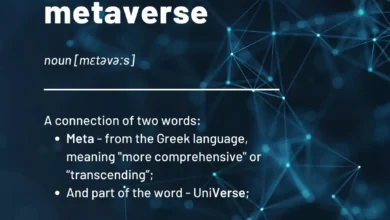
This introduction to the metaverse will help you understand one of the most transformative technological concepts of our generation. Whether you’re a business owner, tech enthusiast, or simply curious about virtual worlds, understanding the metaverse is becoming increasingly essential. The metaverse concept represents a convergence of virtual reality, augmented reality, and the internet into immersive digital spaces where people can work, play, socialise, and conduct business. In this comprehensive guide, we’ll explore everything from basic definitions to practical applications, ensuring you’re well-equipped to navigate this exciting digital frontier.
What Is the Metaverse?
The metaverse definition has evolved significantly since the term was first coined in Neal Stephenson’s 1992 science fiction novel “Snow Crash.” Today, the metaverse refers to a collective virtual shared space created by the convergence of virtually enhanced physical reality and physically persistent virtual space. It’s not just one single virtual world, but rather an interconnected network of 3D virtual environments that users can access through various devices.
Think of the metaverse ecosystem as the next iteration of the internet—a more immersive, interactive, and interconnected digital universe. Unlike traditional websites or apps that you view on a screen, the metaverse allows you to step inside and experience digital environments as if you were physically present. This virtual reality environment enables users to interact with digital objects, other users, and computer-generated environments in real-time.
Key Characteristics of the Metaverse
The metaverse isn’t just virtual reality gaming. It encompasses several defining characteristics that set it apart from existing digital platforms:
Persistence: The metaverse world continues to exist and evolve even when you’re not logged in. Events happen in real-time, and changes made by users remain in the environment.
Synchronicity: Thousands or even millions of users can experience the same events simultaneously, creating shared experiences that mirror real-world interactions.
Interoperability: Ideally, users should be able to move their digital assets, avatars, and identities across different metaverse platforms seamlessly.
User-Generated Content: The metaverse platform thrives on creativity, allowing users to create, own, and monetise their digital creations.
The Technology Powering the Metaverse

The introduction to the metaverse requires knowledge of the underlying technologies that make these virtual worlds possible. The metaverse isn’t built on a single technology but rather represents a convergence of multiple cutting-edge innovations.
Virtual Reality (VR) and Augmented Reality (AR)
Virtual reality technology serves as one of the primary gateways into metaverse experiences. VR headsets like Meta Quest, PlayStation VR, and HTC Vive create fully immersive environments that transport users into digital worlds. These devices track head movements and hand gestures, allowing natural interaction with virtual objects.
Augmented reality, on the other hand, overlays digital information onto the physical world. AR applications like Pokémon GO and Snapchat filters demonstrate how digital and physical realities can blend seamlessly. The future of the metaverse experience likely involves a mix of both VR and AR technologies.
Blockchain and Cryptocurrency
Blockchain technology provides the infrastructure for decentralised metaverse economies. Through blockchain, users can truly own digital assets as NFTs (non-fungible tokens), which can be bought, sold, or traded across platforms. Cryptocurrencies enable seamless transactions within virtual worlds, creating real economic value from digital activities.
The concept of digital ownership is revolutionary. In traditional online games, you don’t truly own your in-game items—the company does. Blockchain changes this paradigm by giving users verifiable ownership of their digital assets.
Artificial Intelligence and Machine Learning
AI plays a crucial role in creating realistic metaverse environments. From generating realistic NPCs (non-player characters) that can hold conversations to creating dynamic, responsive environments that adapt to user behaviour, artificial intelligence makes virtual worlds feel alive and engaging.
Machine learning algorithms also help personalise metaverse experiences, recommending content, events, and connections based on user preferences and behaviour patterns.
5G and Cloud Computing
The metaverse infrastructure requires massive bandwidth and processing power. 5G networks provide the low-latency, high-speed connections necessary for smooth, real-time interactions in virtual spaces. Cloud computing enables complex rendering and processing to happen remotely, making high-quality metaverse experiences accessible even on less powerful devices.
Major Metaverse Platforms and Virtual Worlds
The metaverse landscape is diverse, with various platforms offering different experiences and focusing on different aspects of virtual interaction.
Meta’s Horizon Worlds
Meta (formerly Facebook) has invested billions in creating Horizon Worlds, a social VR platform where users can create, explore, and interact in virtual spaces. This platform emphasises social connections and user-generated content, allowing creators to build their own games and experiences.
Decentraland
Decentraland represents a blockchain-based metaverse where users can purchase virtual land parcels as NFTs. This decentralised metaverse allows complete creative freedom, with users building everything from art galleries to virtual casinos. The platform uses its MANA cryptocurrency for transactions.
Roblox
With over 200 million active users, Roblox has become one of the most successful metaverse platforms, particularly among younger audiences. The platform enables users to create their own games and experiences using relatively simple tools, fostering a creative community.
The Sandbox
The Sandbox combines gaming with blockchain technology, allowing users to create, own, and monetise their gaming experiences. The platform has attracted major brands and celebrities who’ve purchased virtual real estate.
Fortnite
While primarily known as a battle royale game, Fortnite has evolved into a metaverse social platform hosting virtual concerts, movie screenings, and social events that attract millions of simultaneous participants.
Practical Applications of the Metaverse
The introduction to the metaverse guide wouldn’t be complete without exploring real-world applications that extend far beyond entertainment.
Business and Commerce
Virtual commerce is transforming how businesses operate. Companies are establishing virtual storefronts where customers can browse and purchase products using their avatars. Luxury brands like Gucci and Nike have created metaverse stores where users can try on digital fashion items.
Virtual meetings and conferences in the metaverse workspace offer more engaging alternatives to traditional video calls. Employees can interact with 3D models, collaborate on virtual whiteboards, and build stronger team connections through shared experiences.
Education and Training
Metaverse education platforms provide immersive learning experiences impossible in physical classrooms. Medical students can practice complex surgeries in risk-free virtual environments. History students can walk through ancient civilisations. Language learners can practice conversations with AI-powered characters in realistic scenarios.
Corporate training programs leverage virtual reality training to simulate dangerous situations, train customer service representatives, and onboard new employees more effectively.
Healthcare and Therapy
Mental health professionals are using metaverse therapy environments to treat conditions like PTSD, anxiety, and phobias through controlled exposure therapy. Virtual support groups provide safe spaces for people dealing with similar challenges.
Physical therapy and rehabilitation programs use VR to make exercises more engaging and to track patient progress with precision.
Real Estate and Architecture
Architects and real estate developers use metaverse visualisation tools to create interactive property tours and design presentations. Potential buyers can walk through properties before they’re built, making informed decisions and requesting modifications.
Entertainment and Social Interaction
Virtual concerts and events have demonstrated the metaverse’s potential for entertainment. Artists can perform for millions simultaneously, creating experiences impossible in physical venues. Social spaces allow people from different continents to hang out, play games, and build friendships.
Getting Started: Your First Steps Into the Metaverse
This introduction to the metaverse section provides practical guidance for beginners ready to explore virtual worlds.
Choosing Your Entry Point
You don’t need expensive equipment to begin your metaverse journey. Many platforms offer browser-based experiences or mobile apps. However, for the most immersive experiences, consider investing in a VR headset. Entry-level options like the Meta Quest 2 offer excellent value for newcomers.
Creating Your Digital Identity
Your metaverse avatar represents you in virtual spaces. Many platforms offer extensive customisation options, allowing you to create an avatar that reflects your personality or lets you experiment with different identities. Some users create avatars that look like themselves, while others prefer fantastical or abstract representations.
Virtual Etiquette
Metaverse communities have developed their own social norms. Respecting personal space (even in virtual environments), obtaining consent before recording interactions, and following platform-specific rules help create positive experiences for everyone.
Exploring Safely
Like any online environment, the metaverse requires caution. Protect your personal information, use strong passwords, enable two-factor authentication, and be sceptical of investment opportunities that seem too good to be true. Teach children about online safety if they’re exploring metaverse platforms.
The Economics of the Metaverse

The metaverse economy represents a genuine economic system with real financial implications.
Virtual Real Estate
Digital land ownership has become big business. Virtual land parcels in popular metaverse platforms have sold for millions of dollars. Investors speculate that prime locations in growing metaverse worlds will appreciate, similar to physical real estate.
Digital Assets and NFTs
Non-fungible tokens enable ownership of unique digital items—artwork, fashion, collectables, and more. The NFT marketplace within metaverse platforms allows creators to monetise their work and collectors to invest in digital assets.
Play-to-Earn Gaming
Play-to-earn models revolutionise gaming by allowing players to earn cryptocurrency and valuable NFTs through gameplay. This creates new income opportunities, particularly in developing countries where virtual earnings can exceed traditional wages.
Virtual Jobs and Careers
The metaverse job market is emerging, with positions for virtual architects, event planners, fashion designers, tour guides, and community managers. Companies are hiring staff specifically to manage their metaverse presence.
Challenges and Criticisms of the Metaverse
A balanced introduction to the metaverse must address legitimate concerns and challenges.
Privacy and Data Security
Metaverse platforms collect unprecedented amounts of behavioural data—tracking where you look, how long you pause, and how you interact with objects. This raises significant privacy concerns about data usage, storage, and potential misuse.
Accessibility and Digital Divide
Quality metaverse experiences often require expensive equipment and high-speed internet, potentially creating a new digital divide. Ensuring equitable access remains a significant challenge.
Health and Wellbeing Concerns
Extended VR use can cause motion sickness, eye strain, and physical discomfort. There are also concerns about addiction, social isolation, and the psychological impacts of spending extensive time in virtual environments.
Regulatory and Legal Questions
The metaverse legal framework is still developing. Questions about jurisdiction, content moderation, intellectual property rights, and digital asset ownership remain largely unanswered.
Environmental Impact
The computing power required for metaverse operations—particularly blockchain-based platforms—consumes substantial energy. The environmental sustainability of widespread metaverse adoption is an ongoing concern.
The Future of the Metaverse
Looking ahead, the metaverse future holds exciting possibilities as technology continues to advance.
Improved Technology and Accessibility
Next-generation VR headsets will become lighter, more comfortable, and more affordable. Improved haptic feedback will make virtual interactions feel increasingly realistic. As 5G coverage expands and 6G development progresses, metaverse access will become more widespread.
Integration with Daily Life
The boundaries between physical and digital realities will continue to blur. AR glasses may replace smartphones as our primary interface with digital information. The metaverse integration into daily life could become as natural as using the internet today.
Interoperability Standards
Industry collaboration on standards will enable true interoperability, allowing users to move seamlessly between different metaverse platforms with their digital identities and assets intact.
Workplace Transformation
Remote work will increasingly shift to metaverse offices, offering more engaging collaboration than video calls while maintaining the flexibility of working from home.
Education Revolution
Virtual classrooms may become standard, offering personalised learning experiences that adapt to individual student needs and learning styles.
Key Takeaways for Your Metaverse Journey
This introduction to the metaverse guide has covered essential concepts, but your learning journey continues:
- Start Small: Begin with accessible platforms before investing in expensive equipment
- Stay Informed: The metaverse evolves rapidly; follow industry news and developments
- Experiment: Try different platforms to discover what resonates with you
- Connect: Join metaverse communities to learn from experienced users
- Think Critically: Evaluate hype versus reality when considering metaverse investments or opportunities
- Prioritise Safety: Protect your privacy, digital assets, and well-being
- Embrace Creativity: The metaverse rewards experimentation and creative expression
Conclusion
This comprehensive introduction to the metaverse has explored the fundamental concepts, technologies, applications, and future possibilities of virtual worlds. The metaverse represents more than technological innovation—it’s a paradigm shift in how humans interact, work, learn, and play in digital spaces.
Whether the metaverse fulfils its most ambitious promises or evolves in unexpected directions, it’s clear that immersive digital experiences will play an increasingly significant role in our lives. These concepts now position you to take advantage of opportunities as they emerge.
Read more: Creating a Metaverse Platform for Asset Tokenisation