In today’s competitive job market, understanding what top executives look for in talent can give candidates a powerful advantage. When a senior leader from a global technology giant speaks about hiring preferences, professionals across industries listen closely. Recently, the Meta CTO shares 7 traits he likes to see in an employee, offering valuable insight into the mindset and abilities that define success in modern organizations.
At companies like Meta Platforms—the parent company of Facebook, Instagram, and WhatsApp—innovation moves at lightning speed. To thrive in such an environment, employees must demonstrate more than technical competence. According to Andrew Bosworth, the qualities that stand out go beyond a polished résumé or an impressive academic background. Instead, they center on mindset, adaptability, ownership, and the ability to collaborate effectively.
When the Meta CTO shares 7 traits he likes to see in an employee, the message resonates not only with aspiring engineers but also with marketers, designers, managers, and entrepreneurs. These traits are universally applicable and increasingly relevant in a workplace shaped by artificial intelligence, remote collaboration, and rapid digital transformation.
This article explores each of the seven traits in detail, breaking down why they matter, how they impact performance, and how professionals can cultivate them to build a stronger career foundation. Whether you are a recent graduate or an experienced professional aiming for leadership, these insights provide a practical roadmap for long-term success.
Why the Meta CTO’s Perspective Matters in Modern Hiring
Before diving into the seven traits, it is important to understand why the perspective of a senior executive at Meta carries weight. As one of the world’s largest technology companies, Meta operates at the forefront of social networking, virtual reality, artificial intelligence, and digital communication. Hiring decisions at this level influence products used by billions of people.
When the Meta CTO shares 7 traits he likes to see in an employee, he speaks from experience in building high-performing teams responsible for complex global systems. These teams must innovate continuously while maintaining reliability and security. In such a demanding environment, traditional hiring criteria are not enough.
Modern employers are shifting focus toward growth mindset, problem-solving skills, emotional intelligence, and adaptability. The seven traits outlined by the Meta CTO align closely with these broader industry trends. They reflect the realities of remote work, cross-functional collaboration, and fast-evolving technologies.
Understanding these traits can help job seekers align their professional development with what leading companies truly value.
Trait One: Intellectual Curiosity and Continuous Learning
When the Meta CTO shares 7 traits he likes to see in an employee, intellectual curiosity appears at the top of the list. In fast-paced tech environments, knowledge quickly becomes outdated. The most successful employees are those who actively seek new information and constantly upgrade their skills.
The Power of a Growth Mindset
A curious employee does not wait to be told what to learn. Instead, they proactively explore emerging technologies, industry trends, and innovative methodologies. This growth mindset allows individuals to remain relevant and adaptable in changing markets.
At a company like Meta, where artificial intelligence and immersive technologies evolve rapidly, curiosity fuels innovation. Employees who ask thoughtful questions often identify opportunities others overlook.
How to Develop Intellectual Curiosity
Developing curiosity involves deliberate effort. Reading industry research, attending webinars, participating in professional communities, and experimenting with new tools are effective strategies. Professionals who consistently demonstrate curiosity signal to employers that they will continue adding value long after onboarding. When the Meta CTO shares 7 traits he likes to see in an employee, intellectual curiosity represents a foundation for all other qualities.
Trait Two: Strong Ownership and Accountability
Ownership is another critical trait emphasized when the Meta CTO shares 7 traits he likes to see in an employee. High-performing organizations rely on individuals who take responsibility for outcomes, not just tasks.
Taking Initiative Without Waiting for Direction
Employees who demonstrate ownership do not blame external factors when challenges arise. Instead, they step forward with solutions. This proactive behavior builds trust within teams and reduces the need for micromanagement.
In large-scale technology environments, accountability ensures that projects move forward efficiently. Leaders value employees who treat company goals as personal commitments.
Building a Reputation for Reliability
Accountability goes beyond meeting deadlines. It includes transparency about risks, clear communication, and the willingness to admit mistakes. Professionals who own both successes and failures build credibility quickly.
The emphasis on ownership highlights a broader hiring trend: companies prefer self-starters who can operate independently in remote or hybrid work settings.
Trait Three: Exceptional Problem-Solving Skills
When discussing what makes an employee stand out, the Meta CTO shares 7 traits he likes to see in an employee, and problem-solving consistently ranks high. Complex organizations encounter multifaceted challenges daily, from technical bugs to strategic roadblocks.
Analytical Thinking in High-Pressure Situations
Effective problem-solvers approach issues methodically. They gather data, evaluate alternatives, and consider long-term implications before making decisions. This analytical approach prevents reactive choices that may cause larger issues later.
Strong critical thinking and structured reasoning are particularly valuable in technology-driven roles, but they are equally important in marketing, operations, and finance.
Creativity as a Competitive Advantage
Problem-solving also involves creativity. Innovative companies thrive when employees think beyond conventional solutions. Creative thinking often leads to breakthrough ideas that differentiate products in competitive markets. By prioritizing problem-solving ability, the Meta CTO underscores the importance of strategic thinking in modern hiring practices.
Trait Four: Collaborative Communication Skills
No matter how technically skilled an employee may be, collaboration remains essential. When the Meta CTO shares 7 traits he likes to see in an employee, communication and teamwork emerge as central themes.
Working Across Diverse Teams
Meta operates across multiple regions and disciplines. Engineers collaborate with designers, data scientists, product managers, and marketing professionals. Clear communication ensures alignment across these functions.
Employees who articulate ideas effectively and listen actively create smoother workflows. Strong communication reduces misunderstandings and accelerates decision-making.
Emotional Intelligence in the Workplace
Beyond technical clarity, emotional intelligence plays a significant role in collaboration. Employees who understand team dynamics, respect differing perspectives, and provide constructive feedback contribute to a positive work culture.
As remote work becomes increasingly common, digital communication skills are more important than ever. Professionals who adapt to virtual collaboration tools and maintain clarity stand out.
Trait Five: Adaptability in a Rapidly Changing Environment
Change is constant in technology. When the Meta CTO shares 7 traits he likes to see in an employee, adaptability reflects the ability to pivot quickly without losing productivity.
Thriving Amid Uncertainty
Projects evolve, priorities shift, and market conditions fluctuate. Adaptable employees adjust strategies without resistance. Instead of fearing change, they embrace it as an opportunity for growth.
In innovative companies, flexibility often determines long-term success. Teams that adapt rapidly outperform those rigidly attached to outdated processes.
Learning from Setbacks
Adaptability also involves resilience. When initiatives fail, resilient employees analyze lessons and refine their approach. This mindset encourages continuous improvement rather than discouragement.
By valuing adaptability, the Meta CTO highlights a trait that ensures sustainability in volatile industries.
Trait Six: Results-Oriented Focus with Strategic Vision
Performance metrics matter. When the Meta CTO shares 7 traits he likes to see in an employee, a results-driven mindset plays a key role. However, this focus extends beyond short-term outputs.
Aligning Daily Work with Long-Term Goals
Top employees understand how their responsibilities connect to broader company objectives. They prioritize tasks that generate meaningful impact rather than merely staying busy.
This strategic thinking ensures alignment between individual performance and organizational growth.
Measuring Impact Effectively
Results-oriented professionals track performance data, evaluate outcomes, and refine strategies accordingly. This analytical approach supports smarter decision-making and continuous improvement.
Leaders value employees who balance execution with big-picture awareness.
Trait Seven: Integrity and Ethical Judgment
Finally, when the Meta CTO shares 7 traits he likes to see in an employee, integrity stands as a non-negotiable quality. Trust forms the foundation of any successful organization.
Building Trust Through Transparency
Ethical decision-making ensures that products and services serve users responsibly. In global platforms with billions of users, integrity influences public trust and regulatory compliance.
Employees who uphold ethical standards protect both their teams and the company’s reputation.
Long-Term Professional Credibility
Integrity extends beyond company policy. It shapes personal brand and career longevity. Professionals known for honesty and fairness often advance more steadily than those who prioritize short-term gains.
By emphasizing integrity, the Meta CTO reinforces that technical expertise alone is insufficient without moral responsibility.
How These Traits Shape the Future of Work
When the Meta CTO shares 7 traits he likes to see in an employee, he effectively outlines a blueprint for future-ready professionals. These traits align with broader workforce trends emphasizing agility, collaboration, and lifelong learning.
Artificial intelligence, automation, and digital transformation continue reshaping industries. Employees who cultivate curiosity, accountability, problem-solving ability, communication skills, adaptability, results orientation, and integrity position themselves for sustainable success.
Organizations worldwide increasingly adopt similar hiring frameworks. Therefore, understanding and embodying these qualities can enhance career prospects across sectors.
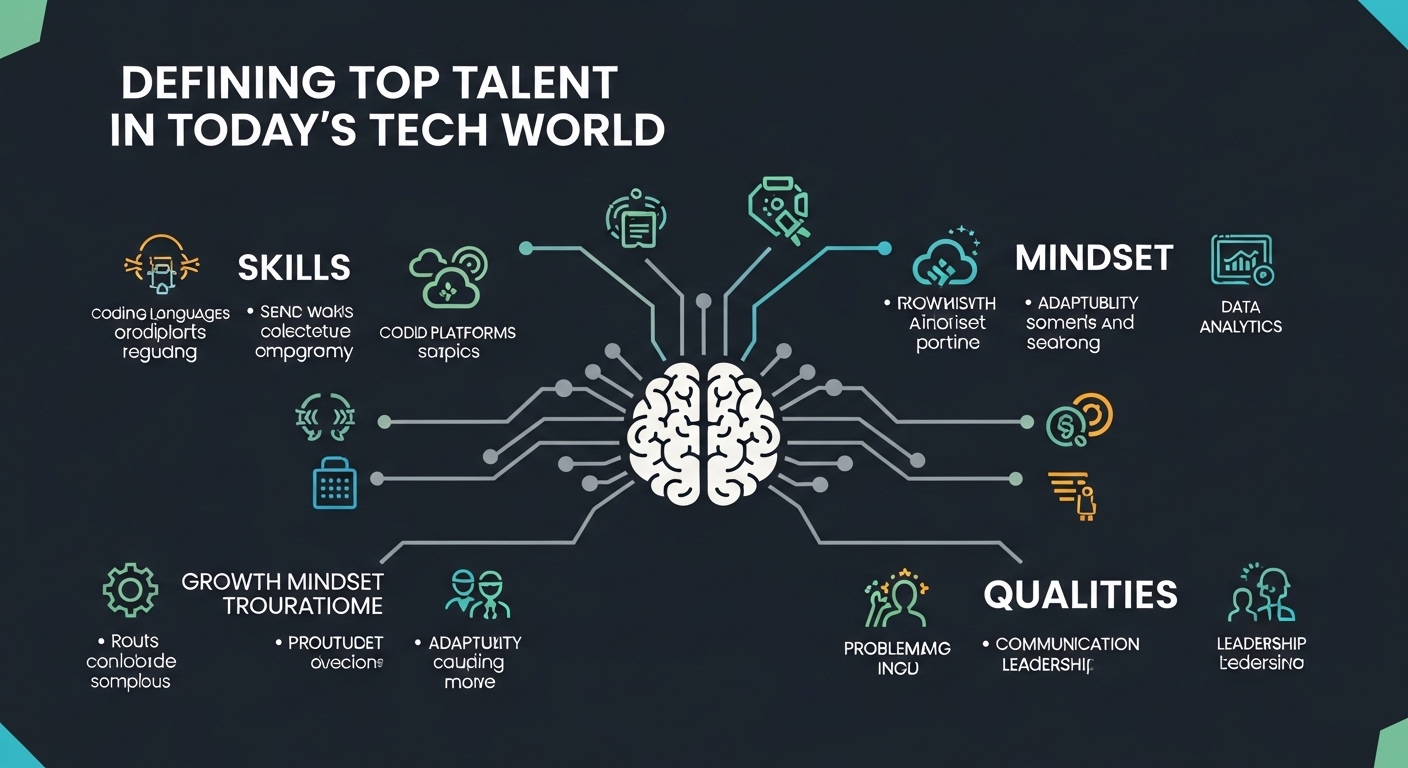
Practical Steps to Develop These Seven Traits
Developing the seven qualities outlined by the Meta CTO requires intentional effort. Professionals can begin by seeking constructive feedback, setting personal growth goals, and investing in skill development.
Participating in cross-functional projects strengthens collaboration skills. Taking ownership of challenging assignments builds accountability. Enrolling in advanced courses or certifications fosters intellectual curiosity. By consistently demonstrating these traits in daily work, candidates create compelling narratives during job interviews and performance reviews.
Conclusion
When the Meta CTO shares 7 traits he likes to see in an employee, he provides more than hiring advice. He outlines a roadmap for professional excellence in the digital age. Intellectual curiosity, ownership, problem-solving, communication, adaptability, results focus, and integrity form the foundation of high-impact careers.
These traits transcend job titles and industries. Whether aspiring to join Meta or aiming for leadership in another organization, professionals who cultivate these qualities increase their value and resilience in an evolving job market. By internalizing these principles, individuals not only enhance their employability but also contribute meaningfully to innovation, collaboration, and ethical progress in the workplace.
FAQs
Q;Why does the Meta CTO emphasize mindset over technical skills?
While technical expertise is essential, mindset determines long-term growth. Skills can be learned, but traits like curiosity, adaptability, and integrity shape how effectively employees apply those skills.
Q; Are these seven traits only relevant for tech roles?
No, the qualities outlined when the Meta CTO shares 7 traits he likes to see in an employee apply across industries, including finance, healthcare, education, and marketing.
Q; How can I demonstrate ownership during a job interview?
You can share specific examples where you took initiative, solved problems independently, or accepted responsibility for project outcomes.
Q;What is the most important trait among the seven?
All seven traits work together. However, intellectual curiosity and integrity often serve as foundational qualities that influence the others.
Q; How can fresh graduates develop these traits early in their careers?
Fresh graduates can build these qualities through internships, collaborative projects, mentorship programs, and continuous learning initiatives that strengthen both technical and soft skills.